What Is The Cold Chain?
The cold chain is the temperature-controlled supply chain that keeps vaccines, biologics, and other sensitive products safe from the moment they are made to the moment they are used.
Defining the cold chain
The cold chain is a temperature-controlled supply chain system that is essential to industries such as pharmaceuticals, biotechnology, and food. Its purpose is simple but demanding: keep sensitive products within a defined temperature range at every step, from the moment they are manufactured to the moment they reach the patient or end user.
Why temperature control matters
Many life science products are biologically active. Vaccines, drugs, and biological materials can lose their safety and effectiveness if they drift outside their prescribed temperature window, even briefly. A shipment that looks perfectly intact on the outside can be compromised inside if it was exposed to heat or cold at the wrong moment.
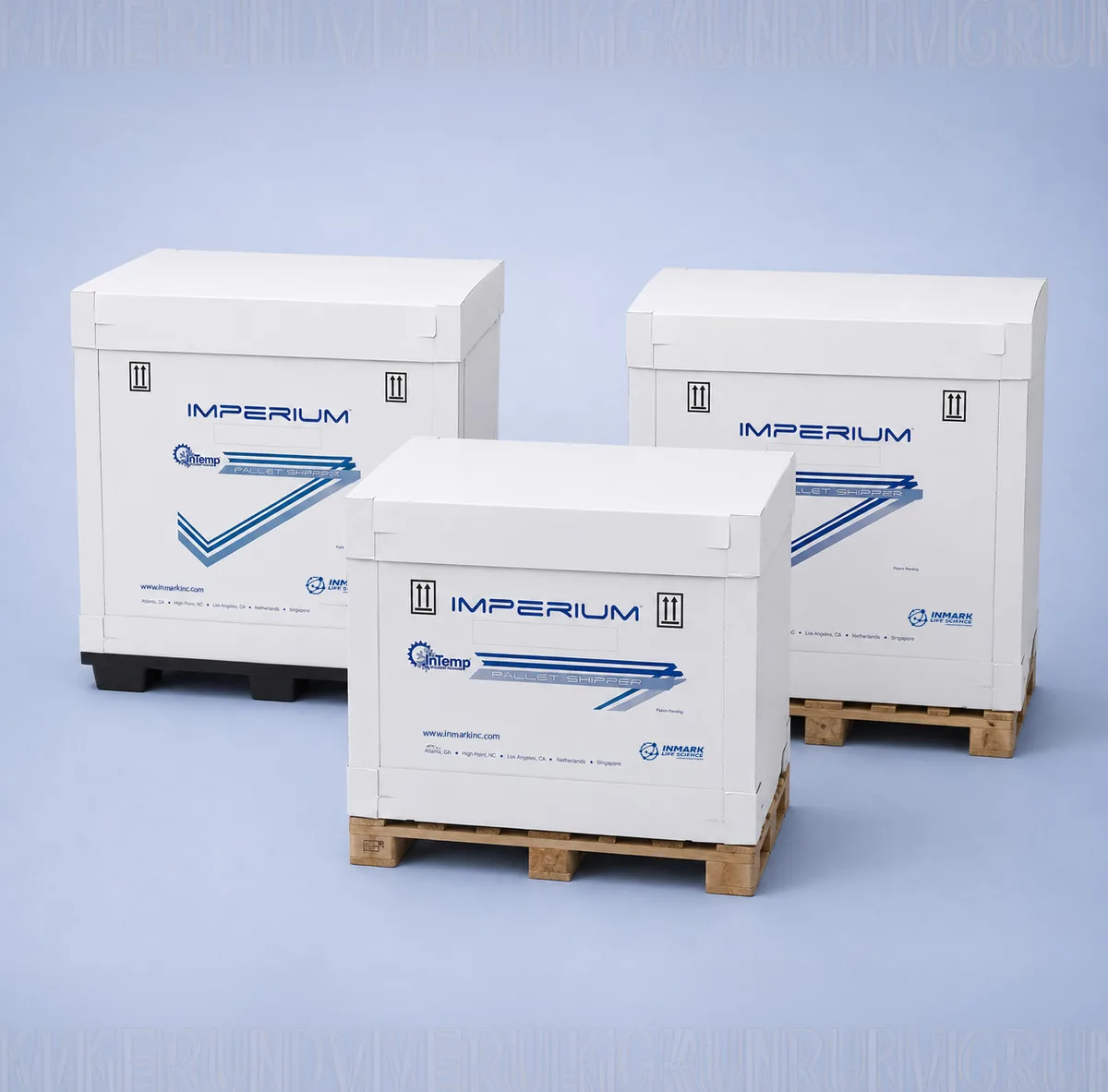
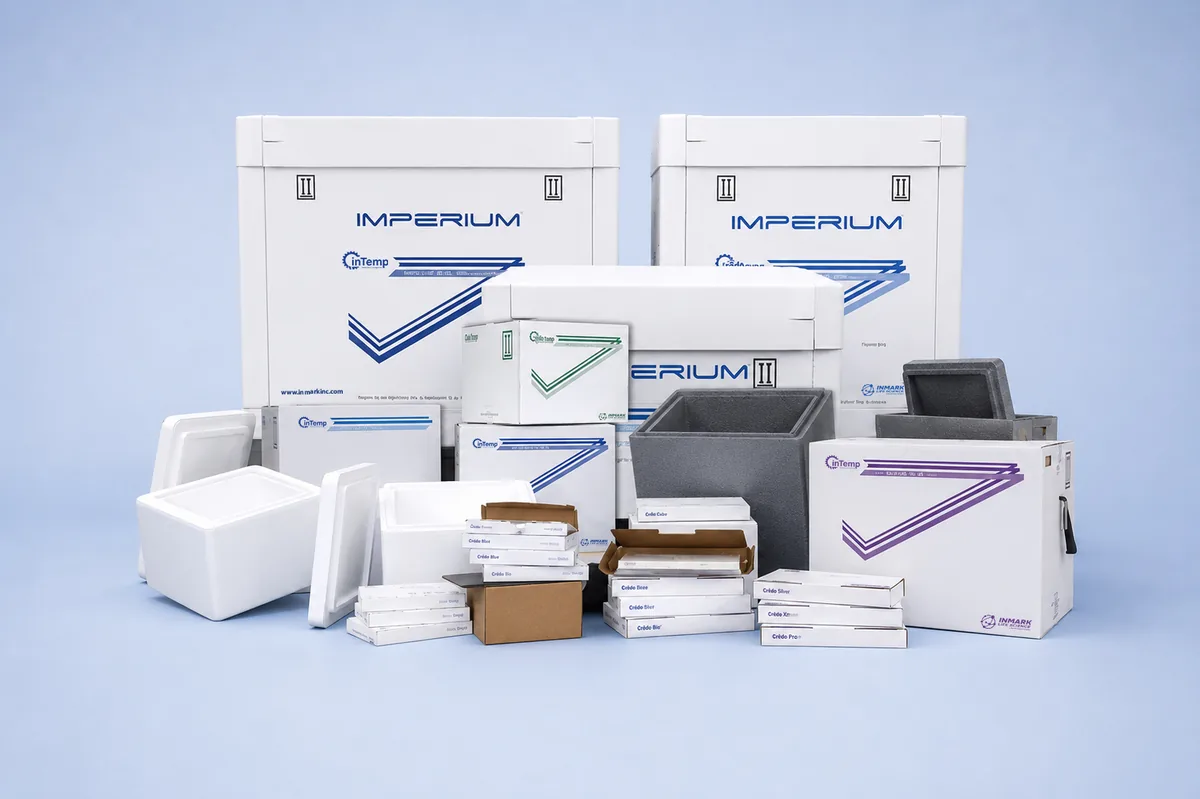
Because of this, the cold chain is not a single container or a single step. It is a connected series of controlled environments, cold rooms, refrigerated vehicles, validated shippers, and monitored storage, each designed to hand the product off to the next without a break in temperature.
Where the cold chain is used
- Pharmaceuticals and biologics: vaccines, insulin, and biologic therapies that must stay refrigerated or frozen.
- Clinical and diagnostic samples: blood, tissue, and specimens that degrade at room temperature.
- Food and perishables: where temperature drives both safety and shelf life.
An unbroken journey
The value of the cold chain lies in its continuity. A product that stays in range for 95% of its journey can still be lost in the 5% where control slips. That is why every link, packaging, handling, transport, and monitoring, has to be planned as one system rather than a set of separate steps.
At Inmark Life Science, we help teams design that unbroken journey with validated packaging and cold chain expertise tailored to each payload and route.