
Key Considerations For Cold Chain Packaging
Transport mode, route, transit time, ambient conditions, and handling all shape the packaging a shipment needs. Here is what to weigh before you specify a solution.
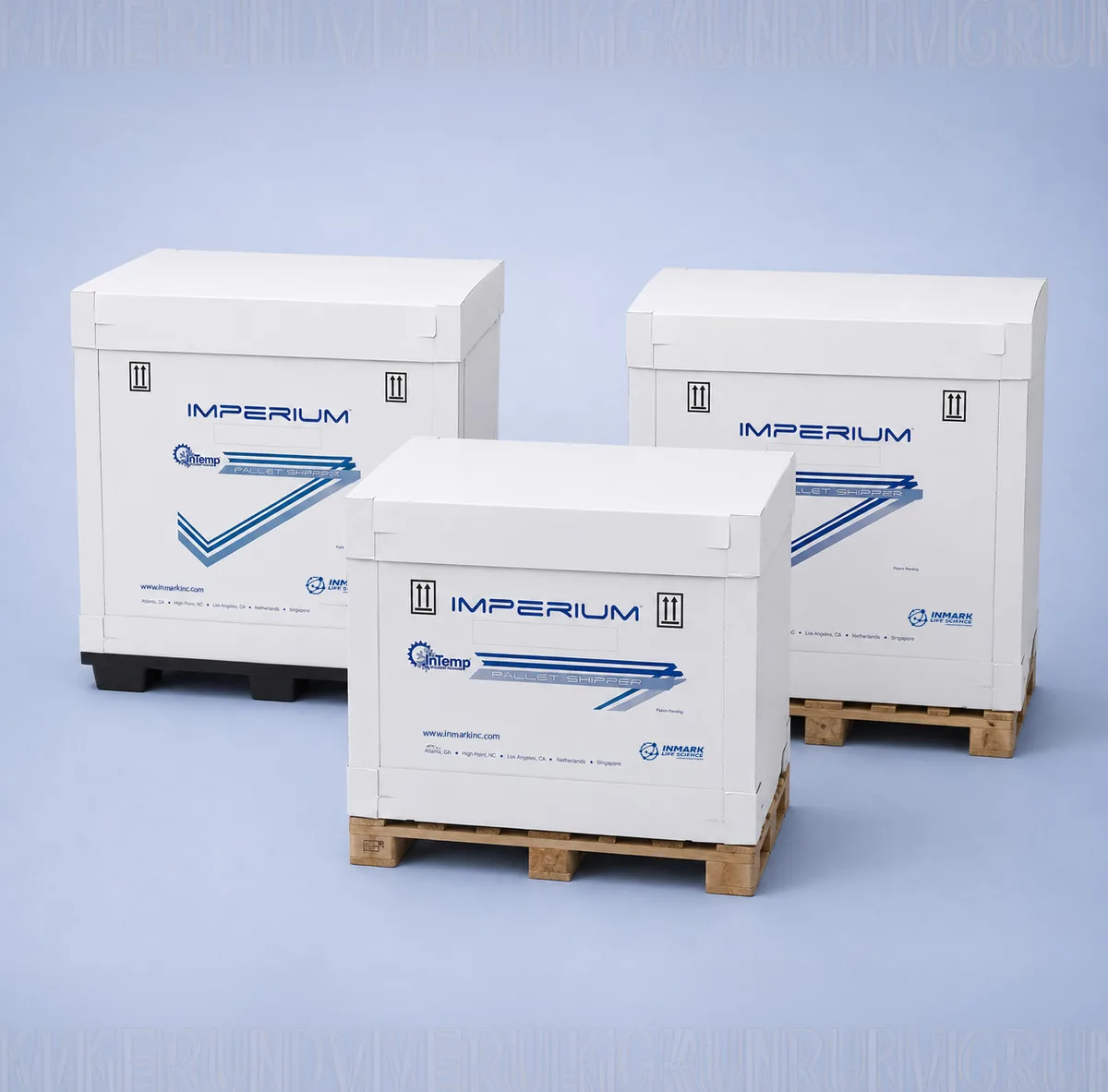
Start with the journey
No single shipper is right for every shipment. The packaging that protects a two-day domestic parcel may fail on a week-long international pallet move. Choosing well starts with understanding the journey the product will actually take.
Mode of transport
Truck, plane, boat, or drone, each mode brings its own temperature profile, handling patterns, and timeline. Air freight may be fast but exposes shipments to tarmac heat and cargo hold cold. Ocean freight is slower and demands far longer thermal duration.
Origin and destination
Where a shipment starts and ends affects both shipping time and the temperature challenges along the way. A route between two temperate cities is a different problem than one crossing a tropical hub in July.
Duration of transit
Total shipment time is one of the strongest drivers of solution choice. Every additional hour is another hour your packaging must hold the range without help. Build in margin for delays, customs holds and missed connections are part of real-world routes.
Expected ambient temperatures
Exposure profiles change with region and season. Summer and winter lanes look nothing alike, and a shipper qualified for one may underperform in the other. This is where seasonal and universal pack-out strategies come into play.
Handling
The amount of handling, loading, and unloading a shipment sees introduces both physical and temperature risk. Every transfer is a moment the package may sit on a dock, wait in a staging area, or be opened.
Bringing it together
- Define the product's required temperature range first.
- Map the real route, including layovers and likely delays.
- Model worst-case ambient conditions, not average ones.
- Account for handling touchpoints and who controls each one.
With those inputs in hand, specifying packaging becomes an engineering decision rather than a guess. Tell the Inmark Life Science team your payload, route, and requirements, and we will help you match them to a validated solution.